


Boiler vs. Furnace: Which Heating System Is Right for a Central Illinois Home? | Lincoln Heating & Air
Helpful heating, cooling, and indoor air quality insights from your local HVAC team.
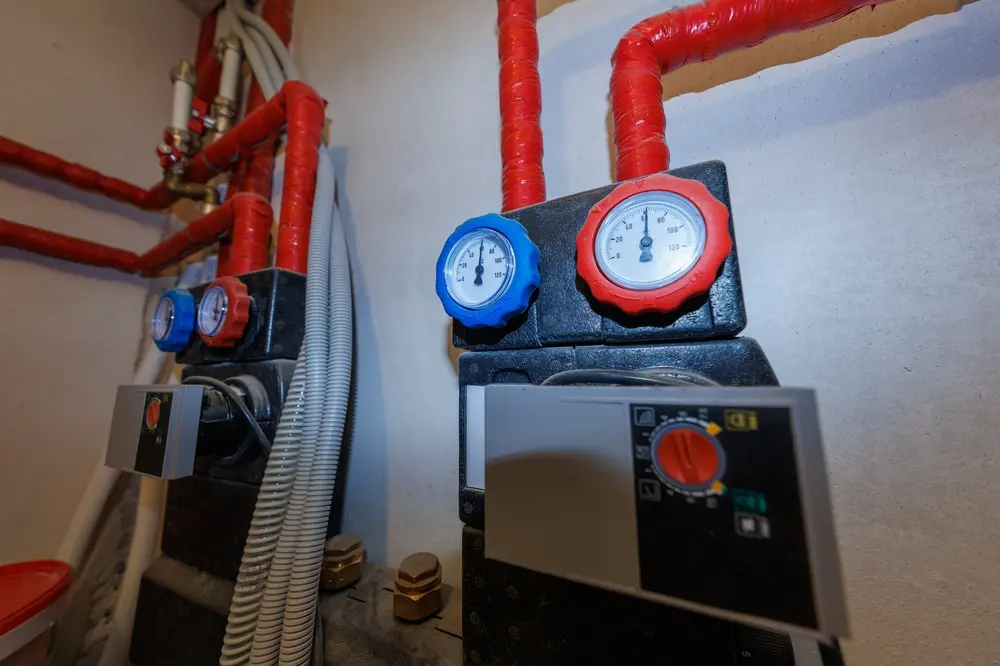
Central Illinois winters bring freezing temperatures, icy conditions, and long stretches of cold weather that make a dependable heating system essential. Whether you own an older home in Lincoln, a renovated property in Bloomington, or a newer house in Springfield, choosing the right heating system can affect your comfort, energy expenses, and long-term maintenance costs.
Two common heating options are boilers and furnaces. Although both keep homes warm, they distribute heat differently and offer distinct advantages depending on your home’s layout, existing equipment, and heating preferences.
A boiler heats water and circulates it through radiators, baseboard heaters, or radiant floor systems. A furnace heats air and distributes it through ductwork and vents. For most Central Illinois homeowners, the better choice depends on the home’s existing heating infrastructure, installation costs, efficiency goals, and desired comfort.
Here are several important considerations:
-
Boilers provide hydronic heating, which can deliver steady warmth without relying on forced-air circulation.
-
Furnaces distribute warm air through ducts and can share ductwork with a central air conditioning system.
-
Older homes throughout Logan County and McLean County may already have radiator systems that make boiler replacement more practical.
-
Central Illinois temperature fluctuations make proper system sizing and routine maintenance essential for both heating options.
-
Installation costs, energy efficiency, and available space should influence your final decision.
At Lincoln Heating & Air, we understand how important reliable indoor heating is during an Illinois winter. We help homeowners evaluate their heating needs and understand the factors that contribute to dependable, efficient home comfort.
How Do Boilers and Furnaces Work?
Boilers and furnaces both heat residential spaces, but they use different methods to transfer warmth throughout a home. A boiler heats water for distribution through a hydronic system, while a furnace heats air that travels through ducts to individual rooms.
How a Boiler Heats Your Home
A residential boiler uses an energy source, commonly natural gas, to heat water. That heated water circulates through pipes connected to radiators, baseboard units, or radiant flooring.
As heat transfers from these components into surrounding rooms, the water cools and returns to the boiler for reheating.
Many older homes throughout Central Illinois were constructed with radiator-based heating systems. These systems can remain practical when their pipes, radiators, and boiler equipment are in suitable condition.
Boilers offer several potential benefits, including consistent heating, quiet operation, and reduced reliance on moving air.
However, boiler systems generally cannot use conventional forced-air ductwork to distribute heat. Installing a completely new hydronic system may require extensive plumbing and changes to floors or walls.
How a Furnace Heats Your Home
A furnace heats air and uses a blower to distribute it through a network of ducts. Warm air enters living spaces through supply registers, while cooler air returns to the system for reheating.
Natural gas furnaces are common in areas where gas service is available, although electric furnaces are another option.
For homeowners in Lincoln, Decatur, and surrounding communities, forced-air heating can be particularly convenient when the home already has ductwork.
Furnaces offer several advantages, including relatively quick temperature adjustments, compatibility with central air conditioning, and opportunities to integrate air filtration and humidity-control equipment.
The primary consideration is that ductwork must be properly designed, sealed, and maintained. Leaky ducts, restricted airflow, and poorly sized equipment can reduce comfort and increase energy consumption.
Which Heating System Performs Better During Central Illinois Winters?
Both boilers and furnaces can provide reliable heating during Central Illinois winters when they are correctly sized, installed, and maintained. The most noticeable differences involve how warmth feels inside the home, how quickly temperatures change, and how the equipment responds to household heating demands.
Winter temperatures across Logan County, Sangamon County, and neighboring communities can remain below freezing for extended periods. Homes need heating equipment capable of maintaining comfortable indoor temperatures without excessive cycling or unnecessary energy consumption.
Boilers typically provide gradual, consistent warmth through radiators or radiant surfaces. Homeowners who prefer steady temperatures may appreciate this heating method, especially in rooms with tile flooring or older construction.
Furnaces generally respond more quickly when the thermostat calls for heat. This can be useful for households that lower indoor temperatures overnight or while away from home.
However, heating performance depends on more than the equipment type.
Insulation levels, window efficiency, air leakage, thermostat settings, and system sizing all influence how comfortable a home feels during a cold Illinois winter.
An older home with limited insulation may experience uneven temperatures regardless of whether it uses a boiler or furnace.
Before investing in replacement equipment, homeowners should consider having their home’s heating requirements evaluated.
Boiler vs. Furnace: Comparing Energy Efficiency and Heating Costs
Energy efficiency and operating costs depend on the specific boiler or furnace model, fuel prices, equipment condition, and the home’s heating requirements. Neither system is automatically more economical in every Central Illinois household.
Understanding Heating Efficiency Ratings
Gas furnaces and boilers commonly use Annual Fuel Utilization Efficiency, or AFUE, ratings to describe how effectively they convert fuel into usable heat over a typical heating season.
For example, a gas heating system with a 95% AFUE rating converts approximately 95% of the fuel’s energy into useful heating under the rating’s standardized conditions.
Modern high-efficiency furnaces and boilers can achieve similar AFUE ratings, although actual household energy use depends on installation quality and operating conditions.
A high-efficiency furnace may still waste energy if its ductwork leaks into an unconditioned attic or crawl space.
Likewise, a high-efficiency boiler may underperform when its controls, water circulation, or distribution system are not functioning properly.
Fuel Prices and Monthly Utility Bills
Natural gas availability and local utility rates influence heating expenses throughout Central Illinois.
Homeowners in Lincoln, Bloomington, and Springfield should compare their available fuel options rather than assuming one type of heating equipment will always cost less.
Factors affecting monthly heating expenses include the home’s square footage, insulation, thermostat settings, equipment efficiency, outdoor temperatures, and maintenance history.
A properly sized heating system can help avoid unnecessary energy consumption while maintaining comfortable indoor conditions.
Installation and Replacement Expenses
Replacing an existing furnace with a comparable furnace is often less complicated than converting the home to a completely different heating method.
The same applies to replacing an existing boiler while retaining usable radiators and piping.
Converting from forced-air heating to hydronic heating may require installing new pipes, radiators, or radiant flooring. Converting from a boiler to a furnace may require extensive ductwork installation.
These infrastructure expenses can significantly affect the overall project budget.
For many Central Illinois homeowners, retaining the existing heating distribution system is the more practical starting point unless there is a compelling reason to change.
What Are the Warning Signs That Your Heating System Needs Attention?
Warning signs that a boiler or furnace needs professional attention include inconsistent heating, unusual noises, rising energy bills, frequent cycling, and difficulty maintaining thermostat settings. Addressing these problems before severe winter weather can help prevent unexpected heating interruptions.
Watch for the following symptoms:
-
Uneven room temperatures: Some areas of the house remain noticeably colder than others despite normal thermostat settings.
-
Unusual operating noises: Banging, rattling, whistling, or persistent rumbling may indicate mechanical or circulation problems.
-
Rising utility bills: Heating costs increase without an obvious change in weather, fuel prices, or household usage.
-
Frequent cycling: The system repeatedly starts and stops instead of completing normal heating cycles.
-
Water leaks near a boiler: Moisture around pipes, valves, or the boiler cabinet may indicate a leak requiring inspection.
-
Weak airflow from furnace vents: Restricted airflow may result from dirty filters, duct problems, or blower-related issues.
-
Repeated thermostat adjustments: Homeowners frequently raise the temperature because the house does not feel comfortable.
-
Unreliable heating: The equipment struggles to start, shuts down unexpectedly, or fails to maintain the desired temperature.
These symptoms do not automatically mean replacement is necessary.
Some problems can be corrected through maintenance or component repairs, while others may indicate that an aging system is approaching the end of its useful service life.
Homeowners should avoid attempting repairs involving gas connections, electrical components, combustion equipment, or pressurized boiler systems.
If you smell gas, leave the building immediately and contact your gas utility or emergency services from a safe location.
How Can Central Illinois Homeowners Maintain Their Boilers and Furnaces?
Regular maintenance helps boilers and furnaces operate safely, efficiently, and reliably throughout the heating season. Central Illinois homeowners should schedule professional heating inspections before winter whenever possible and perform appropriate routine checks between service visits.
Furnace Maintenance
Furnace maintenance focuses on airflow, combustion performance, electrical components, and general equipment operation.
Homeowners can periodically inspect accessible air filters and replace them according to the manufacturer’s recommendations.
Supply and return vents should remain unobstructed by furniture, rugs, and household belongings.
Professional furnace maintenance may include checking electrical connections, inspecting the heat exchanger, evaluating burner operation, testing safety controls, and confirming proper airflow.
Boiler Maintenance
Boiler maintenance focuses on water circulation, pressure, controls, venting, and overall heating performance.
Homeowners can monitor accessible pressure gauges when the manufacturer provides normal operating ranges and watch for visible leaks.
Professional boiler service may involve inspecting circulation pumps, testing safety devices, evaluating expansion tanks, checking combustion performance, and examining system connections.
Boiler owners should not drain the system, adjust pressure controls, or open pressurized components without appropriate training.
Why Seasonal Timing Matters
Scheduling heating maintenance during early fall can provide time to address developing problems before prolonged freezing temperatures arrive.
In communities such as Lincoln, Clinton, and Bloomington, unexpected heating failures can become particularly disruptive during winter storms or extended cold spells.
Routine maintenance cannot eliminate every breakdown, but it can identify certain issues before they develop into larger problems.
What Are the Most Common Heating System Mistakes Homeowners Make?
Common heating system mistakes include choosing equipment based only on purchase price, overlooking existing infrastructure, neglecting maintenance, and assuming a larger system will provide better comfort. These decisions can create unnecessary expenses and reduce long-term heating performance.
Choosing Equipment Without Considering the Home
A homeowner may prefer a furnace because it seems simpler, even though the house already has a functional radiator system.
Replacing that boiler with a furnace could require new ductwork, making the conversion considerably more expensive.
A better approach is to evaluate the condition and suitability of the existing heating infrastructure before choosing a replacement.
Installing an Oversized Heating System
A larger furnace or boiler is not necessarily better.
Oversized equipment may cycle more frequently than intended, reducing comfort and potentially increasing wear.
Heating contractors should evaluate the home’s heating load using an appropriate sizing method rather than relying solely on square footage or the capacity of the old equipment.
Ignoring Ductwork or Hydronic Distribution Problems
Replacing heating equipment without addressing problems in the distribution system may leave homeowners disappointed with the results.
A new furnace cannot fully compensate for severely leaking ductwork.
Similarly, a new boiler may not resolve uneven heating caused by circulation problems or improperly balanced radiators.
The entire heating system should be evaluated before replacement.
Waiting Until the First Major Cold Spell
Delaying heating inspections until equipment stops working can leave homeowners facing uncomfortable indoor temperatures during the busiest part of the heating season.
Scheduling an evaluation before winter provides more time to compare repair and replacement options.
A Common Central Illinois Scenario: Replacing an Older Heating System
A common heating replacement scenario in Central Illinois involves an older home with an aging boiler and radiator system. The homeowner wants lower heating expenses but is unsure whether installing a modern furnace would be a better long-term investment.
Consider a hypothetical older property in Lincoln with traditional radiators and no existing forced-air ductwork.
The homeowner may initially assume that replacing the boiler with a furnace will automatically improve efficiency.
However, a furnace conversion would require evaluating where new ducts could be installed, how air would reach individual rooms, and whether the home’s layout could accommodate the necessary equipment.
Replacing the existing boiler with a properly sized, efficient model might allow the homeowner to retain usable radiators and piping.
Alternatively, if the home is undergoing extensive remodeling, adding ductwork might become more practical.
The right decision depends on the property’s construction, equipment condition, installation requirements, and homeowner priorities.
This is why comparing complete project costs matters more than comparing equipment prices alone.
Should You Repair or Replace Your Existing Heating System?
Repair is often reasonable when a heating system is relatively reliable, the problem is isolated, and the expected repair cost is manageable. Replacement becomes more attractive when equipment is aging, requires frequent repairs, or cannot meet the home’s heating needs efficiently.
Homeowners should consider the following factors before making a decision.
Equipment Age and Condition
Many residential furnaces and boilers operate for well over a decade, but service life varies considerably depending on equipment design, installation, maintenance, and operating conditions.
An older system that receives regular maintenance may remain serviceable, while a newer system with recurring problems may require substantial repairs.
Age should be considered alongside the equipment’s actual condition rather than used as the only replacement criterion.
Repair Frequency
Repeated service calls may indicate that individual repairs are no longer the most economical approach.
Homeowners should compare the estimated repair expense with the cost of replacement, expected future repairs, and potential efficiency improvements.
Comfort and Efficiency
A system that consistently leaves rooms cold or consumes excessive energy may warrant a more comprehensive evaluation.
Sometimes improving insulation, sealing ductwork, or correcting distribution problems can improve comfort without replacing the heating equipment.
At Lincoln Heating & Air, we encourage homeowners to consider the full heating system and their long-term comfort goals before making major equipment decisions.
Boiler vs. Furnace: Which Option Is Better for Your Home?
The best heating system for your Central Illinois home is generally the one that fits its existing infrastructure, heating requirements, budget, and comfort preferences. Both boilers and furnaces can provide dependable winter heating, but their advantages differ.
| Consideration | Boiler | Furnace |
|---|---|---|
| Heat distribution | Heated water through radiators or radiant systems | Heated air through ductwork |
| Heating response | Often gradual and steady | Generally faster temperature changes |
| Air circulation | Does not require forced-air circulation | Uses a blower and air ducts |
| Central AC compatibility | Requires a separate cooling distribution solution | Can share ducts with central AC |
| Routine homeowner maintenance | Monitor visible leaks and accessible gauges | Inspect and replace air filters |
| Installation considerations | Best suited to existing hydronic infrastructure | Best suited to existing ductwork |
| Energy efficiency | Depends on model, controls, and system condition | Depends on model, airflow, and duct condition |
For a home that already has radiators, a modern boiler may be a sensible replacement option.
For a home with existing ductwork and central air conditioning, a furnace may provide a more straightforward heating solution.
Homeowners building a new house or completing a major renovation have more flexibility because they can evaluate both distribution systems before construction is finished.
What Happens If You Delay Heating System Repairs or Replacement?
Delaying necessary heating repairs can increase the likelihood of unexpected breakdowns, poor comfort, and avoidable energy expenses. During Central Illinois winters, prolonged heating interruptions can also expose vulnerable plumbing to freezing temperatures.
Minor heating problems do not always require immediate equipment replacement.
However, persistent leaks, combustion concerns, electrical problems, and repeated shutdowns deserve timely professional evaluation.
Homeowners should also maintain working carbon monoxide alarms according to applicable safety guidance, particularly when using fuel-burning heating equipment.
Addressing heating concerns before winter can provide more flexibility when scheduling service and evaluating available solutions.
Frequently Asked Questions About Boilers and Furnaces in Central Illinois
Is a boiler or furnace better for an older home in Lincoln, Illinois?
The better option usually depends on the home’s existing heating distribution system. Older Lincoln homes with radiators may benefit from retaining hydronic heating, while properties with usable ductwork may be better suited to a furnace. Equipment condition, efficiency, and installation costs should guide the decision.
Are boilers more energy-efficient than furnaces?
Boilers are not automatically more efficient than furnaces. Modern high-efficiency models of both equipment types can achieve strong AFUE ratings. Actual efficiency depends on equipment design, installation, controls, maintenance, and heat distribution losses. Comparing specific models and their installation requirements provides a more meaningful assessment.
Which heating system is less expensive to install in Central Illinois?
Installation costs are often lower when homeowners retain their existing heating distribution system. Replacing a furnace in a ducted home or a boiler in a home with functioning radiators generally avoids the added expense of a major conversion. Actual costs depend on equipment, labor, and property conditions.
Can a boiler heat a home during extremely cold Illinois weather?
Yes, a properly sized and functioning boiler can heat a home during extremely cold Illinois weather. Performance depends on the system’s heating capacity, radiator or radiant distribution design, insulation, and maintenance condition. A professional heating-load evaluation helps determine whether the equipment can meet the home’s winter demands.
Do furnaces require more maintenance than boilers?
Furnaces and boilers have different maintenance requirements rather than one universally needing more attention. Furnaces require regular filter checks and airflow maintenance, while boilers need inspections of circulation components, pressure controls, and hydronic connections. Both should receive periodic professional service to maintain safe and reliable operation.
Can I replace my boiler with a furnace in an older Bloomington home?
Yes, replacing a boiler with a furnace is possible, but the project may require installing ductwork and making changes to the home’s heating distribution layout. Older Bloomington properties without existing ducts can present additional installation challenges. A professional evaluation can help determine whether conversion is practical and cost-effective.
Which heating system is quieter?
Boilers often provide quieter room heating because they do not require a central blower to move heated air through ductwork. However, circulation pumps and other boiler components can still produce noise. Modern furnaces can also operate relatively quietly when properly installed, maintained, and paired with suitable ductwork.
Should I replace my heating system before winter in Logan County?
Replacement may be worth considering before winter if your heating equipment frequently breaks down, struggles to maintain comfortable temperatures, or requires costly repairs. Scheduling an inspection during fall allows Logan County homeowners to assess equipment condition and compare options before the coldest weather arrives.
Can a furnace and boiler be used in the same home?
Yes, some homes use both heating systems, particularly properties with additions or separate heating zones. However, combining systems increases equipment and maintenance complexity. Homeowners should evaluate whether a dual-system arrangement provides meaningful comfort benefits compared with improving or replacing their existing heating equipment.
Stay Comfortable This Winter With Lincoln Heating & Air
Choosing between a boiler and a furnace is an important decision for Central Illinois homeowners. The right heating system should provide dependable comfort, match your home’s infrastructure, and support reasonable long-term operating costs.
At Lincoln Heating & Air, we understand the challenges that cold Illinois winters create for local homeowners. Whether you are concerned about uneven heating, rising utility bills, or an aging system, we can help you explore your heating needs and available service options.
Contact Lincoln Heating & Air to discuss your home’s heating concerns and take the next step toward reliable winter comfort.